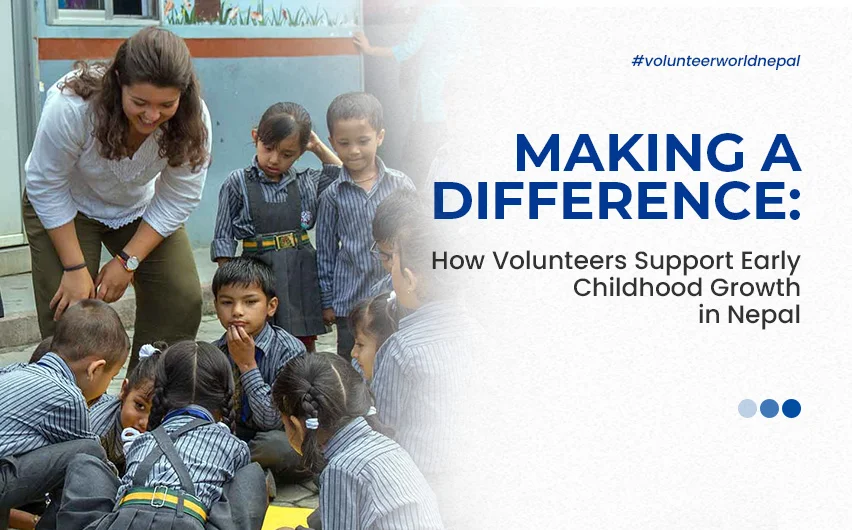
Making a Difference: How Volunteer in Nepal Support Early Childhood Growth
In Nepal, many children begin life without access to structured learning, health awareness, or emotional support. This is where volunteers in Nepal play a vital role.
From rural schools to childcare homes, volunteers help strengthen early childhood development – shaping a child’s learning, confidence, and future opportunities.
This guide explains how volunteering in Nepal supports early childhood growth, why it matters, and how individuals can make a genuine impact through trusted volunteer programs.
It also highlights the types of volunteer programs available and how they contribute to long-term education and child welfare across Nepal
Why Early Childhood Growth Matters in Nepal
Early childhood is the most critical stage of human development. In Nepal, especially in rural regions, many children lack:
• Quality pre-school education
• Learning materials
• Nutrition and hygiene awareness
According to Nepal’s Ministry of Education, over 30% of children in rural Nepal still lack structured early childhood learning support.
When this stage is neglected, children often struggle with:
• Basic literacy and numeracy
• Confidence and social skills
• School readiness
In remote regions, early childhood support also improves nutrition awareness and emotional stability, which directly influences how children perform in school and adapt socially
That’s why childcare volunteering in Nepal is not just helpful – it is transformational.
How Volunteers Support Early Learning and Development
Volunteers help bridge this gap by working directly with children in schools, care homes, and community centers.
Key Ways Volunteers Contribute
| Support Area | How Volunteers Help |
| Education | Teach basic English, numbers, and life skills |
| Emotional Care | Encourage play, creativity, and social interaction |
| Health Awareness | Promote hygiene, cleanliness, and nutrition |
| Community Support | Assist local teachers and caregivers |
For example, volunteer teaching in Nepal helps young learners build their foundation in:
• Reading and writing
• Creative thinking
• Basic communication
Even small daily interactions can change how a child learns and sees the world.
For instance, volunteers often introduce interactive learning methods like storytelling, drawing, and basic English conversations that are not commonly practiced in rural classrooms.
Volunteering Opportunities in Nepal for Child Development
There are several ways volunteers can get involved, depending on their skills and interests.
Some popular placements include:
• Early Childhood Education Programs
• Childcare Volunteer Nepal Projects
• Rural Education Volunteer Projects
• School Support Volunteering Opportunities in Nepal
Organizations offering structured volunteer programs in Nepal ensure:
• Ethical and safe volunteer placements
• Guidance from local professionals
• Meaningful and sustainable impact
This ensures volunteers truly support children – not disrupt communities.
The Real Impact of Volunteers on Nepali Children
The effect of volunteers goes beyond academics.
Volunteers help children develop:
• Confidence and curiosity
• Communication and language skills
• Healthy habits
• Emotional and social awareness
In many rural classrooms, a volunteer becomes the first person to teach a child the English alphabet — opening doors to future education and global opportunities.
UNICEF Nepal also reports that early childhood programs significantly improve school readiness and long-term academic outcomes.
That is the long-term power of volunteering opportunities in Nepal. In many cases, this early exposure to structured learning gives children the confidence to continue formal schooling, something that was previously uncertain for their families.
Why Choose Structured Volunteer Programs in Nepal
Not all volunteer work is equal.The most effective programs are those that offer:
• Local supervision
• Clear volunteer roles
• Community-driven initiatives
Trusted organizations providing volunteering opportunities in Nepal focus on sustainable impact – not tourism-style volunteering.
They also follow:
• Child protection guidelines
• Ethical education support models
• Transparent program planning
To ensure ethical and meaningful placements, learn more about Why Volunteer World Nepal and their structured support
Many recognized programs in Nepal align with child development standards set by UNICEF and Nepal’s Department of Education to ensure ethical and meaningful volunteer engagement.
How to Start Volunteering in Nepal
If you want to support early childhood growth in Nepal, start with preparation.
Steps to Begin
- Choose an ethical and recognized volunteer organization
- Select the right program for your skills
- Review Nepal volunteer visa information
- Understand the cultural and educational needs
- Commit to making a real, responsible impact
Volunteers are also encouraged to understand Nepal’s local education systems and child protection practices before joining a program
If you’re planning to volunteer in Nepal, start by understanding the local community needs and choosing a structured program that aligns with your abilities.
Early Childhood Education Access in Nepal (Overview)
| Province | Early Childhood Education Access |
| Kathmandu | High |
| Lumbini | Medium |
| Karnali | Low |
This highlights why volunteer support is especially important in underserved regions.
Conclusion
Volunteering in Nepal is more than travel — it is about creating real and lasting change.
By supporting early childhood growth, volunteers help Nepali children gain:
• Education and confidence
• Healthy learning environments
• Better futures
If you want to make a meaningful difference, consider joining a trusted volunteer in Nepal program that focuses on child development and education. Even one volunteer can change a child’s life.
Sustainable volunteering focuses on strengthening local education rather than replacing it. By assisting teachers, supporting caregivers, and contributing resources, volunteers help create systems that continue benefiting children even after their placement ends.
FAQ Section
- Is volunteering in Nepal safe for foreigners?
Yes, when you join recognized volunteer programs that provide local supervision and guidance.
- Can I volunteer in Nepal without paying fees?
Some programs offer low-cost or free volunteering opportunities, but it is important to ensure they are ethical and transparent.
- What qualifications are needed to volunteer teaching in Nepal?
Basic communication skills and a willingness to support children are often enough. Some programs may prefer teaching or childcare experience.
- Which volunteering program helps children the most in Nepal?
Programs focused on early childhood education, rural schools, and childcare homes have the greatest long-term impact.
- Do I need a visa to volunteer in Nepal?
Yes. Volunteers should review official Nepal volunteer visa information before traveling.
- How long should I volunteer in Nepal to make an impact?
Most programs recommend a minimum of 2–4 weeks so volunteers can build trust and provide meaningful support.
- Is volunteering in Nepal suitable for beginners?
Yes. Many volunteer programs provide training and guidance, making it accessible even for first-time volunteers.