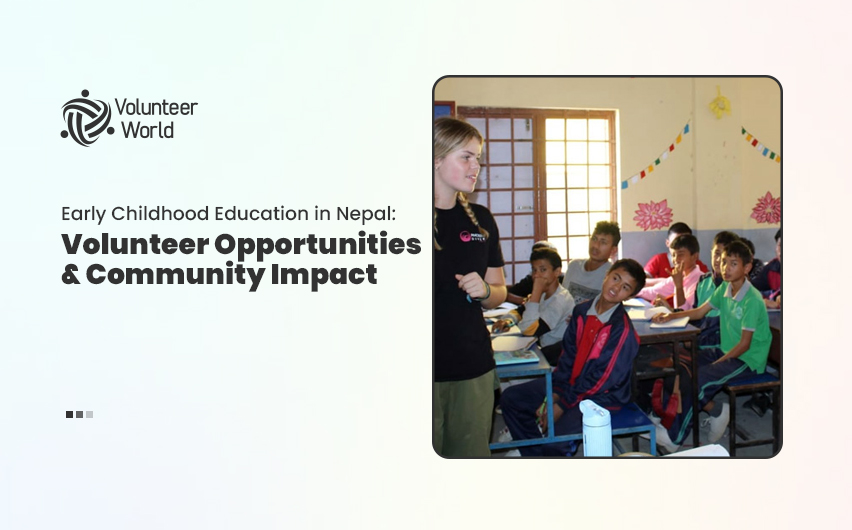
Early Childhood Education in Nepal: Volunteer Opportunities & Community Impact
Education plays a crucial role in shaping the future of any nation, and its foundation begins long before formal schooling starts. Furthermore, Education in Nepal, especially early childhood education has gained increasing attention. However, many children in rural and marginalized communities still struggle to access quality early learning opportunities.
At the same time, a growing number of volunteers are stepping in to bridge this gap. Their contributions are not only transforming classrooms but also uplifting entire communities.
So, how exactly does early childhood education impact Nepal? And more importantly, how can you be part of this change?
Understanding Early Childhood Education in Nepal
Early Childhood Education (ECE) refers to the developmental and learning phase from birth to around eight years of age. During this stage, children build essential cognitive, emotional, and social skills that shape their future learning.
In the context of Education, Early Childhood Education typically includes:
- Pre-primary classes (ages 3-5)
- Community-based childcare centers
- Montessori and Playgroup
These early learning environments aim to prepare children for formal schooling while nurturing creativity and social development.
Current State of Education in Nepal
Nepal has made significant progress in expanding access to education. Nevertheless, several challenges continue to affect the quality and reach of early education.
Key Insights:
- Many rural regions still lack trained teachers
- Limited infrastructure reduces learning effectiveness
- Socio-economic inequalities restrict access to education
- Language barriers make comprehension difficult for many children
Despite these obstacles, ongoing efforts by the government and non-profit organizations are steadily improving education in Nepal.
Why Early Childhood Education Matters
Early education goes far beyond learning basic alphabets and numbers. In fact, it builds a strong foundation for lifelong growth and success.
Long-Term Benefits
Children who receive quality early education are more likely to:
- Perform better academically
- Develop strong social and emotional skills
- Continue their education for a longer period
- Access better career opportunities in the future
Moreover, investing in early education significantly reduces dropout rates and improves long-term outcomes.
Community-Level Impact
The benefits of early childhood education extend beyond individual learners and positively influence entire communities.
When early education improves:
- Parents become more involved in their children’s learning
- Communities begin to prioritize education
- Gender equality sees noticeable improvement
- Economic development accelerates
As a result, early childhood education becomes a powerful driver of sustainable community development.
Volunteer Opportunities in Nepal’s Education Sector
If you are looking to make a meaningful difference, volunteering in education is one of the most impactful ways to contribute.
Types of Volunteer Roles
There are several ways to support Education in Nepal:
Teaching Support
- Assist local teachers in classrooms
- Conduct interactive learning sessions
- Teach basic English or math
Curriculum Development
- Help design creative lesson plans
- Introduce modern teaching techniques
Extracurricular Activities
- Organize art, music, or sports programs
- Encourage creativity and confidence
Infrastructure Support
- Help improve school facilities
- Participate in classroom setup projects
Skills You Can Contribute
You do not need to be a professional teacher to make a meaningful impact. In fact, many everyday skills are highly valuable.
Valuable skills include:
- Communication and patience
- Creativity and adaptability
- Basic teaching or mentoring ability
- Cultural sensitivity
Even small contributions can make a significant difference in improving education outcomes.
How Volunteering Creates Community Impact
Volunteering not only benefits students but also brings long-term transformation to communities. Through collaboration and shared efforts, it builds trust and encourages sustainable development.
Real Impact Areas
Improved Learning Outcomes
Children understand concepts better through interactive and engaging teaching methods.
Teacher Support
Local educators gain new ideas, resources, and teaching strategies.
Cultural Exchange
Volunteers and communities learn from each other, creating mutual understanding.
Empowerment of Local Communities
Education helps individuals become more confident and self-reliant.
Case Example (Simplified)
For instance, in one rural village, volunteers introduced activity-based learning techniques. As a result:
- Attendance increased by over 30%
- Students became more engaged
- Parents started valuing education more
This example clearly shows how improving education can create lasting, positive ripple effects.
How to Get Involved in Education in Nepal
Getting involved is simpler than you might expect. With the right approach, you can start making an impact quickly.
Step-by-Step Guide
- Research Programs
Start by identifying reputable volunteer organizations. - Choose Your Role
Decide how your skills and interests align with available opportunities. - Prepare Yourself
Learn about Nepalese culture and education challenges. - Apply and Plan
Submit applications and arrange travel. - Make an Impact
Actively engage with the community and contribute meaningfully.
Tips for Effective Volunteering
To ensure your efforts are impactful and sustainable:
- Be respectful of local culture
- Focus on sustainable impact
- Collaborate with local teachers
- Stay committed and consistent
These practices help create meaningful and lasting improvements.
Challenges in Early Childhood Education in Nepal
Early childhood education faces challenges like limited resources, trained teachers, and access, but community support and targeted efforts can help overcome these obstacles.
Key Challenges
- Lack of trained educators
- Insufficient funding
- Geographic barriers
- Limited awareness among parents
However, with continuous support and volunteering efforts, these challenges can be addressed.
Future of Education in Nepal
Looking ahead, the future of education in Nepal appears promising. With growing support and innovation, the system is steadily evolving.
Emerging Trends
- Increased government investment
- Integration of digital learning tools
- Growth of community-based education programs
As these trends continue, education in Nepal is expected to become more inclusive, accessible, and effective.
Conclusion
Early childhood education serves as the foundation for a brighter and more sustainable future. Although progress has been made, there is still significant work to be done.
By volunteering, you are not only teaching children but also shaping futures, empowering communities, and contributing to long-term change.
If you’re ready to make a meaningful impact, start exploring volunteer opportunities with Volunteer World Nepal. Your time, skills, and passion can help transform Education in Nepal-one child at a time.
Frequently Asked Questions (FAQs)
1. Why is early childhood education important in Nepal?
It builds foundational skills, reduces dropout rates, and improves long-term academic success.
2. Can I volunteer in Nepal without teaching experience?
Yes, many programs welcome volunteers with basic skills and a willingness to learn.
3. What is the biggest challenge in Education in Nepal?
Access to quality education in rural areas remains the biggest challenge.
4. How long should I volunteer?
Programs range from a few weeks to several months, depending on your availability.
5. Does volunteering really make a difference?
Absolutely. Even small contributions can improve learning outcomes and community engagement.